Engineering lens
Constraint modeling linked supplier capacity, accessory scope, pricing, and outsourced fulfillment as volume moved from ~15 to 100 to 50 units.
Context
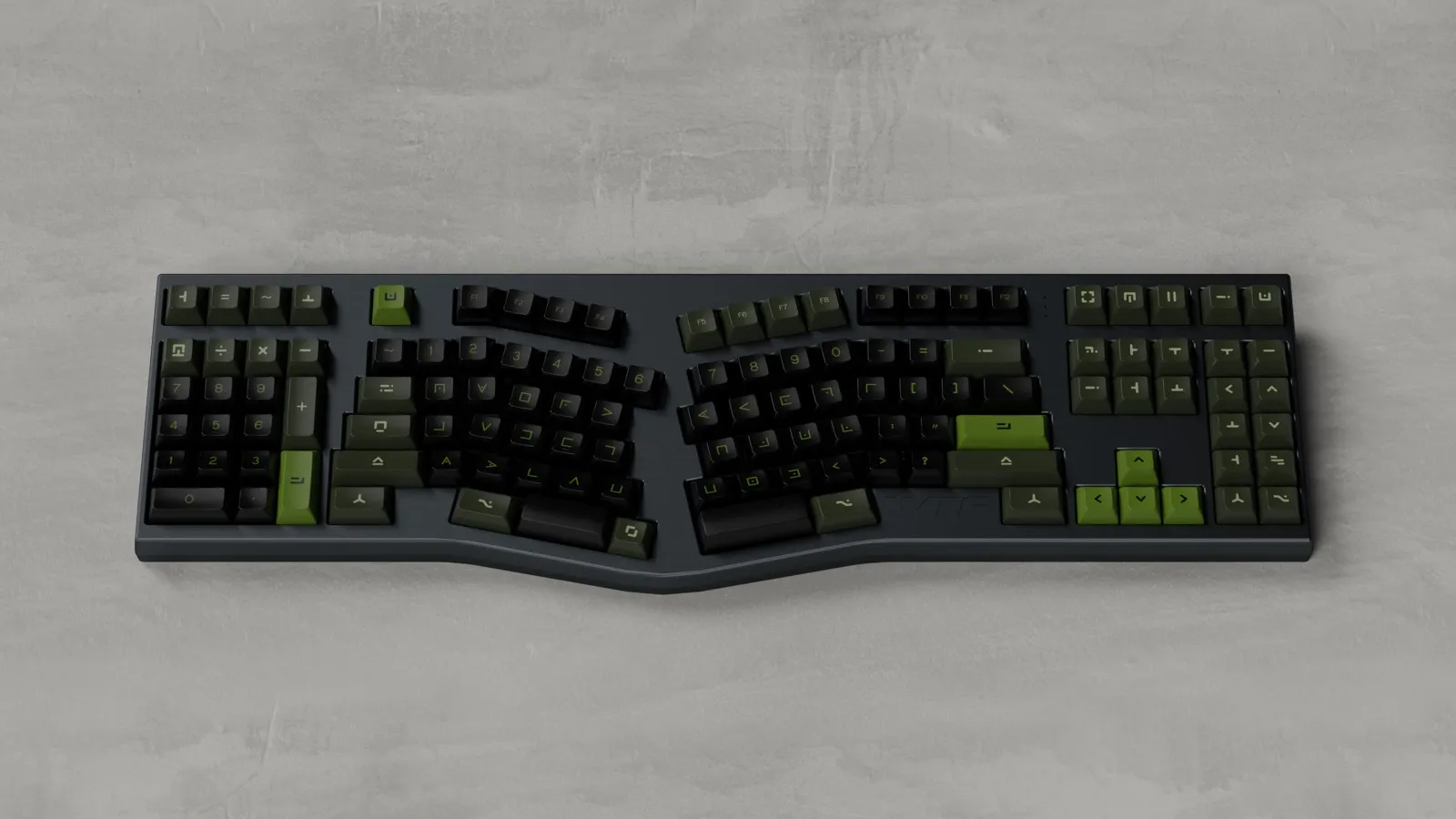
WITF was a full-size Southpaw XT Alice-style board whose plan changed as demand, fulfillment, and timing changed.
Discovery
The working expectation moved from ~15 units toward 100, forcing a re-evaluation of production and fulfillment assumptions.
Design
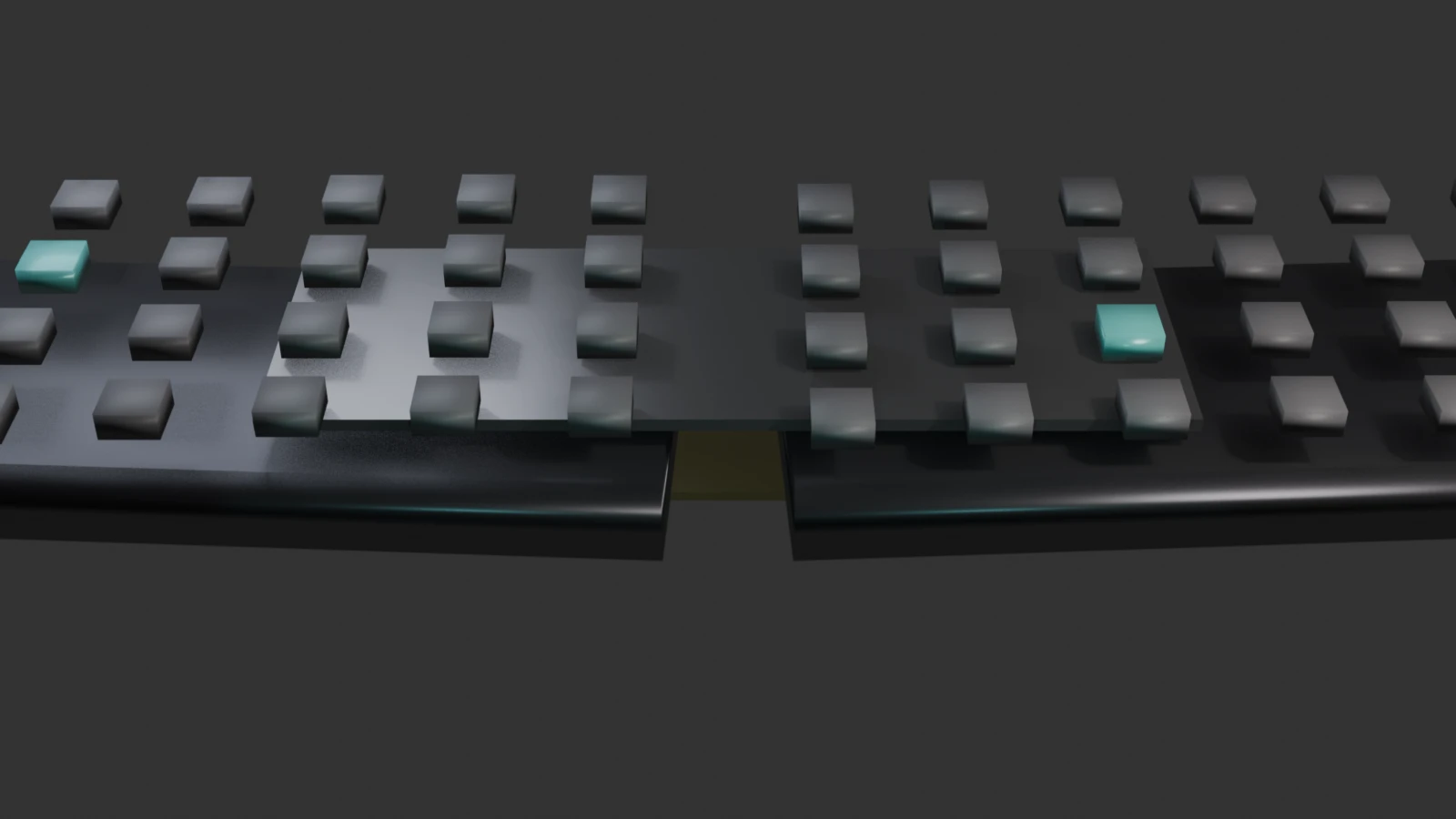
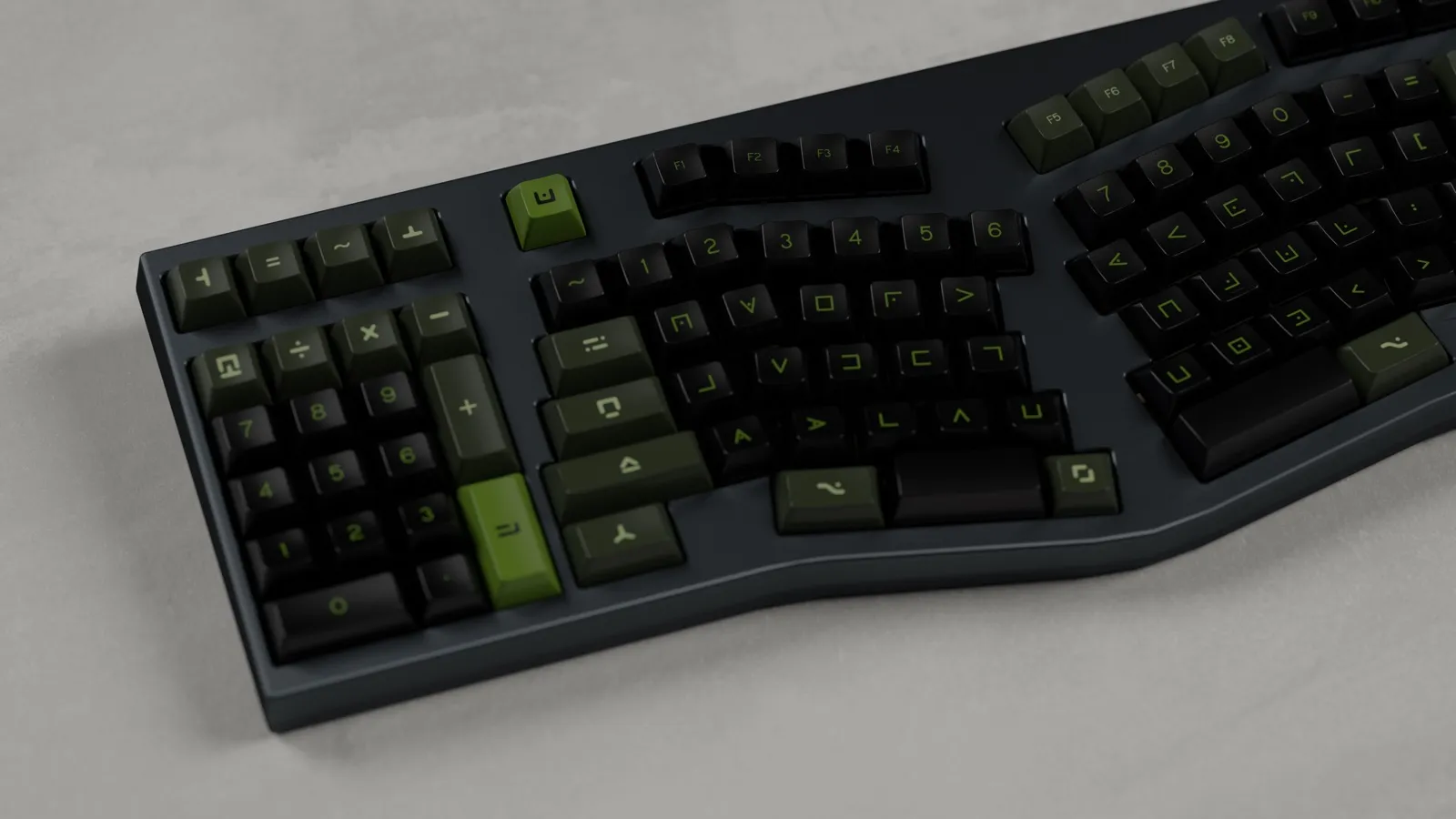
The core product was preserved while accessory scope and launch packaging were reconsidered. The split Alice layout places the alpha keys at ergonomic angles with a central spine, flanked by a left-side number pad and a separate navigation cluster. Materials include a CNC-machined aluminum case, brass weight, PBT keycap set with custom legends, and gasket-mounted plate for dampened typing feel.
Technical specifications
Split Alice ergonomic layout with left-side number pad. CNC aluminum case with anodized finish, brass internal weight for stability, gasket-mounted FR4 plate, hot-swappable PCB supporting MX-style switches. PBT double-shot keycap set with custom legends designed to match the case aesthetic. Rotary encoder positioned at the upper-right cluster.
Prototyping
Supplier and operational feedback informed what could be produced and supported at each volume.
Manufacturing
The final negotiation settled around ~50 units after demand softened and timing effects accumulated.
Economics
The public group-buy thread lists an $825 price; the historical account records a later move to $650 and an accessory cancellation/refund.
Distribution
A pick/pack provider change was absorbed into the fulfillment model, not an afterthought.
Outcomes
The historical account describes approximately $40K across approximately 150 line items; line items are not customers.
Retrospective
The project demonstrates how preserving a viable core can be better than forcing the original volume plan.
Provenance & Attribution
- Evidence source
- Retained project records
- Available in lens
- product, engineering